
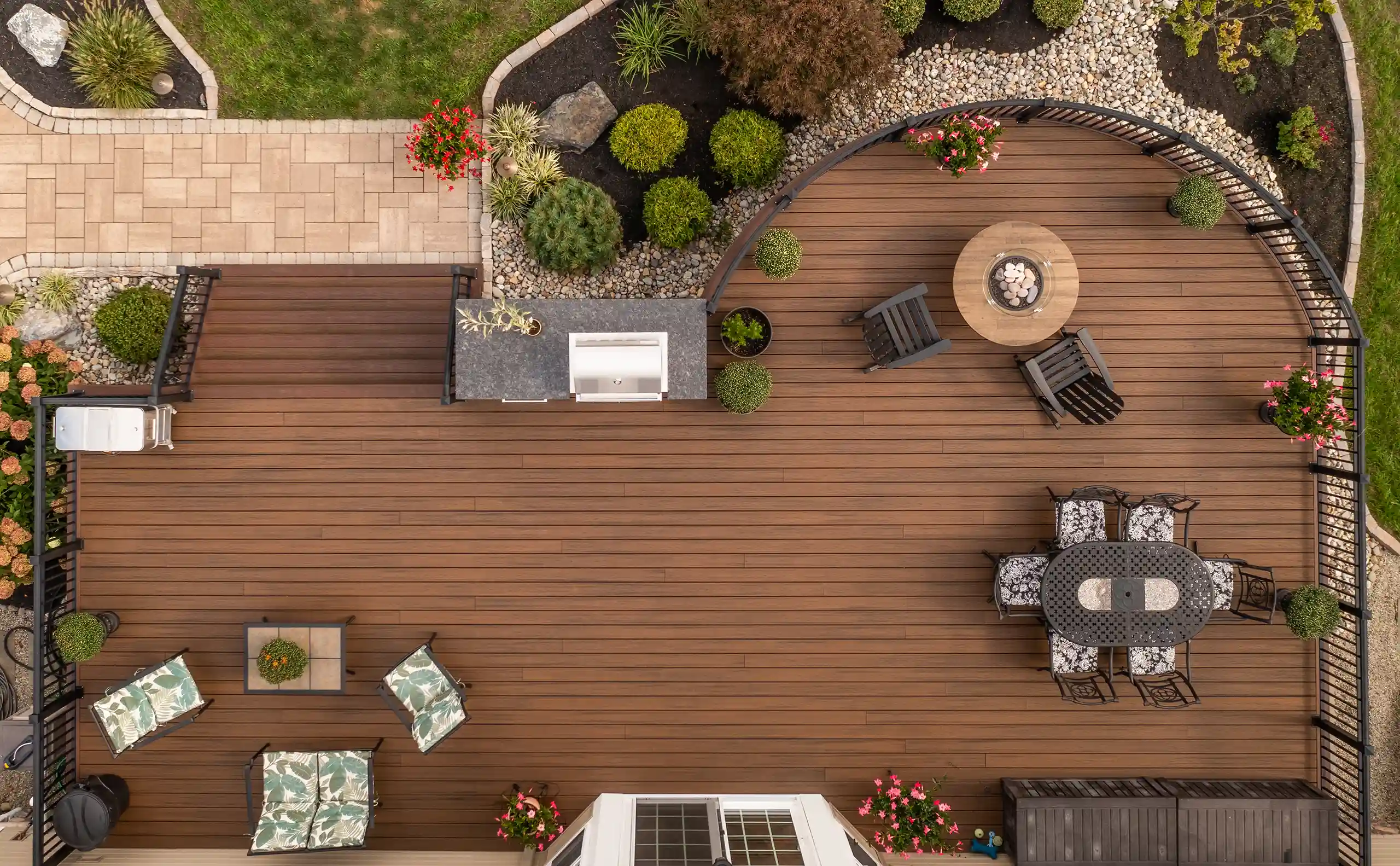
Child deck safety in New Jersey starts with the right materials, the right build, and the right design. My Deck walks you through the codes, the features, and the inspections that protect your kids. Read this before your children spend another summer outside.
If you have children, you have probably wondered whether your deck is truly safe for them. Child deck safety in New Jersey is a real concern, and My Deck is here to give you honest, complete answers. This post covers building codes, childproofing features, material choices, and when to call a professional. Nothing is left out.
Why Does Child Deck Safety Matter So Much in New Jersey?
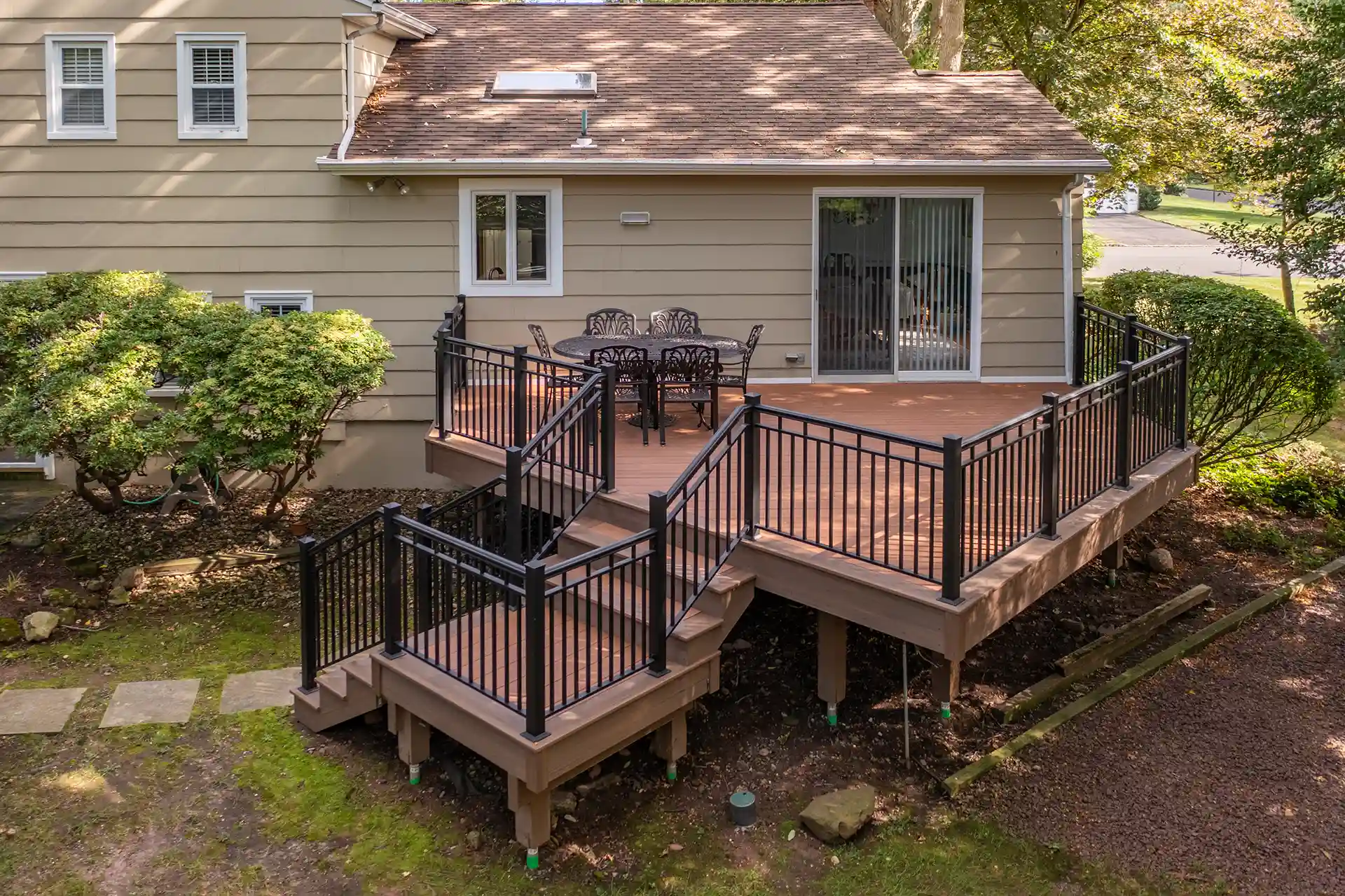
New Jersey homeowners deal with conditions that put decks through a full range of stress every year. Humid summers, wet springs, and freezing winters cause wood to expand, contract, and degrade. That cycle loosens fasteners, weakens railings, and creates gaps that would not exist on a freshly built deck.
Children are low to the ground, move fast, and have no awareness of structural risk. A railing that feels solid to an adult may flex under a child’s full weight. That is why regular upkeep and proper design are not optional for families.
How New Jersey’s Climate Affects Deck Safety
Moisture is the primary threat to deck integrity in this region. Repeated freeze-thaw cycles cause wood fibers to break down faster than in drier climates. Composite decking handles these swings better than pressure-treated lumber, which makes material selection a safety decision, not just a style preference.
Salt air in coastal New Jersey communities adds another layer. Fasteners corrode, and treated lumber can degrade faster on homes closer to the Jersey shore. Stainless steel hardware and premium composite boards hold up where standard materials fail.
What Are New Jersey’s Deck Safety Regulations for Children?
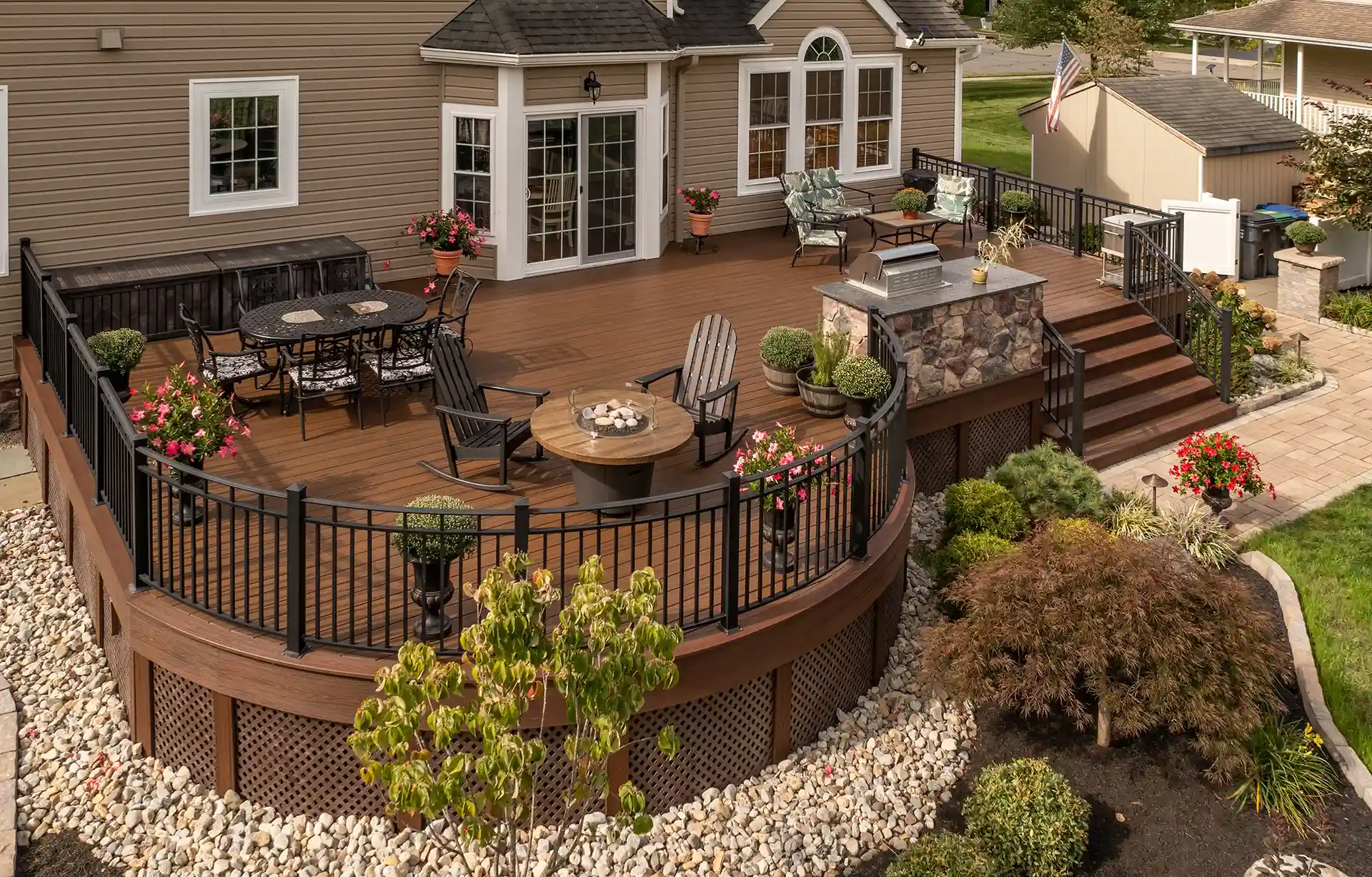
New Jersey follows the International Residential Code, and local municipalities can add requirements on top of it. Before childproofing a deck or starting a new build, it helps to know what the code actually requires. My Deck handles all permit filings and will work with your HOA for approvals, if necessary, so nothing falls through the cracks.
What Is the Required Railing Height?
Decks more than 30 inches above grade require guardrails at least 36 inches tall. Taller railings give children less surface to climb and reduce the chance of a fall reaching the top.
What is the Code for Baluster Spacing?
Balusters must be spaced so that a 4-inch sphere cannot pass between them. That measurement matters because a child’s head can fit through gaps that seem narrow to an adult. Any existing deck with wider spacing needs to be updated before children use it regularly.
How Do You Childproof a Deck Without Rebuilding It?
Small additions can make a large difference for child-deck safety in New Jersey. You do not always need a full rebuild to bring a deck up to a safe standard. Several practical upgrades can be added to an existing structure quickly and affordably.
Here are the most effective childproofing features to consider:
- Child-Safe Gates: Install self-latching, top-mounted gates at all staircase entries. The latch should be above a child’s reach and require two actions to open.
- Climbing Barriers: Remove anything near the railing that a child could step on to help them climb up. This includes planters, chairs, and built-in benches placed too close to the rail.
- Mesh or Acrylic Guards: These panels attach to the inside of the railing frame and close off gaps without replacing the entire railing. They work well on existing decks where baluster spacing does not meet current code.
When Should You Call a Professional?
Any modification to a railing system or stair structure in New Jersey requires a permit. A professional builder ensures the work meets code and holds up over time. My Deck handles the permit process from start to finish, so you do not have to navigate municipal offices on your own.
Which Deck Materials are the Safest for Families With Children?
Material choice drives long-term safety as much as any code requirement. Certain surfaces hold up better underfoot, resist splintering, and stay cooler in direct sun. Childproofing decks in New Jersey means choosing materials built for the climate and the wear that kids bring.
What Makes a Deck Surface Non-Slip?
Composite decking with a brushed or embossed texture provides grip even when wet. Smooth-capped composites look clean but can be slippery in the rain. Look for products with a slip-resistance rating and test them with water before committing to a full deck surface.
Pressure-treated wood can be sealed with anti-slip additives, but those coatings require reapplication every year or two. Composite products retain their texture over the long haul without requiring maintenance. Our team can help guide you through your decking material options.
Do Rounded Edges and Built-In Seating Make a Difference?
Sharp corners on decking boards and framing members can be a real hazard at a child’s eye level. Rounding edges on stair nosing and exposed framing reduces the severity of impact. Built-in benches help too, replacing portable furniture that shifts and tips, keeping kids seated and away from railings.
Deck lighting is another safety feature that gets overlooked. Low-profile LED step lights and post-cap lights extend safe use into the evening and eliminate tripping hazards at stair transitions.
How Often Should Your Deck Be Inspected for Child Safety?
Deck safety is not a one-time decision. New Jersey’s climate puts ongoing stress on every component of a deck, and what passes inspection this year may not pass next year. Deck safety tips for children include building good habits around regular checks.
What Should a Homeowner Look for During Routine Inspections?
Walk the deck each spring after winter and check for these warning signs:
- Loose or wobbly railings and posts
- Boards with soft spots, rot, or deep cracks
- Stair treads with visible flex or movement
- Fasteners that have popped, corroded, or backed out
- Gaps in baluster spacing that have widened
Catching these early keeps repair costs low and keeps children safe.
When is a Professional Deck Inspection Necessary?
Professional inspections are recommended every few years for newer decks and annually for decks older than ten years. A professional evaluates the ledger connection, the footing depth, and the structural frame, all areas that a homeowner cannot assess visually. If a deck shows any signs of soft spots or movement, schedule a professional inspection before the next season starts.
How Do You Design a Child-Safe Deck That Still Looks Good?
Safety and design are not at odds. The best child-safe decks are built so that the protective features are part of the structure, not added on as afterthoughts. Gates that match the railing style, mesh panels in complementary colors, and rounded edges built into the original framing all contribute to a deck that looks intentional.
My Deck’s in-person 3D design process lets you see the finished deck before a single board is cut. You can review railing styles, material finishes, and safety features live during the design session. That means no surprises and no compromises between what looks good and what protects your family.
Why Should You Hire a Professional Deck Builder for a Child-Safe Build?
A professional deck builder brings more than tools. They bring knowledge of New Jersey deck safety regulations, experience with materials that withstand this climate, and a process built around doing the job right the first time. My Deck manages everything from permit applications to the final walkthrough, with uncompromising craftsmanship at every step.
The difference between a deck that is technically built and a deck that is truly safe comes down to details. Proper footing depth, correct fastener type, verified railing torque, and confirmed baluster spacing are the details that protect children. Do not leave those to chance.
Ready to build a deck your family can use with confidence? Contact My Deck to schedule your in-person design consultation.
Frequently Asked Questions
What is the recommended railing height for decks in New Jersey?
Decks more than 30 inches above grade require railings at least 36 inches tall. Many local New Jersey jurisdictions require 42 inches for elevated decks. A licensed deck builder can confirm the exact requirements for your municipality.
How can I prevent my child from falling off the deck?
Install a self-latching gate at every stair opening, ensure baluster spacing meets the 4-inch rule, and remove anything near the railing that a child could climb. Mesh or acrylic filler panels can close existing gaps without the need for a full railing replacement.
How can I make my deck more child-friendly?
Choose non-slip composite decking, round all exposed edges, add built-in seating away from railings, and install low-profile step lighting. These features reduce injury risk and make the deck more practical for daily family use.
When should I have my deck professionally inspected for child safety?
Schedule a professional inspection every two to three years for newer decks and annually for decks older than ten years. If you notice soft spots, movement in the railings, or visible rot, have the deck inspected before children use it again.